Leak Detection 101: Spotting and Preventing Water Damage in Fort Valley
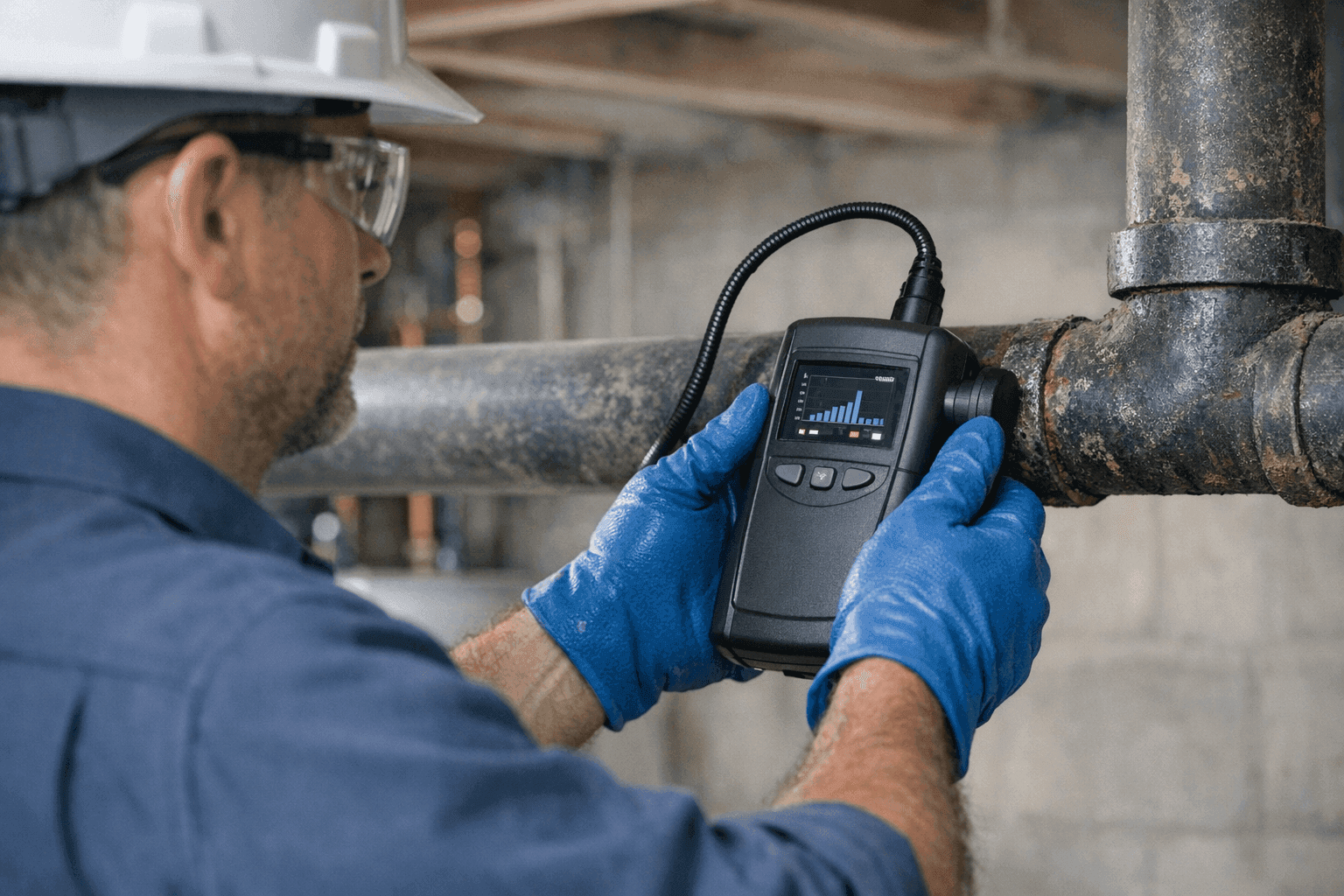
Leaky pipes don’t just waste water—they quietly eat away at your peace of mind. In Fort Valley, where the weather and building styles bring their own plumbing challenges, a hidden leak can turn into a disaster before you know it.
At Peachwood Plumbing, we’ve seen the damage water can do. But you don’t have to wait for a soggy floor or a sky-high bill to take action. Here’s how to spot leaks early, prevent costly repairs, and protect your Fort Valley home or business.
Why Leak Detection Is Crucial in Fort Valley 🏡
Fort Valley has its own plumbing puzzles. High humidity hangs in the air, slab foundations hide pipes deep beneath floors, and many homes still rely on older plumbing systems.
- Humidity speeds up pipe corrosion and encourages mold growth once leaks start.
- Slab foundations make it tough to reach pipes, so leaks can run unchecked for months.
- Aging infrastructure means pipes might already be weakened or outdated.
- Repair costs climb fast when leaks aren’t caught early—what starts as a drip can flood a room or undermine a foundation.
A leak is like a slow leak in a tire—you might not notice at first, but left alone, you’ll eventually be stranded. Early detection saves money, prevents stress, and helps keep your water safe.
Common Signs of Hidden Leaks
Not all leaks announce themselves with a puddle. Many are silent, or hide behind walls and floors. Watch for these warning signs:
- Unexplained water bills: If your usage jumps but your habits haven’t changed, water might be escaping somewhere unseen.
- Damp spots or stains: Look for patches on drywall, ceilings, or floors—especially near bathrooms, kitchens, or laundry rooms.
- Mildew or musty odors: Persistent smells, especially after cleaning, can point to dampness trapped by a leak.
- Warm spots on floors: In homes with slab foundations, a hot water leak may heat up a section of floor.
- Peeling paint or warped wood: Excess moisture causes finishes to bubble, peel, or bend.
If something feels “off” in your home, trust your instincts. Small clues today can prevent a major headache tomorrow.
DIY Leak Checks vs. Professional Detection 🛠️
You don’t need a plumber’s toolkit to spot many leaks. Here’s what you can do yourself—and when to call in the pros.
Simple DIY Leak Checks
- Check your water meter: Turn off all water-using appliances, then note the meter reading. Wait two hours. If the number changes, you may have a leak.
- Food coloring test: Put a few drops in the toilet tank. Wait 30 minutes—if color shows in the bowl, your toilet is leaking.
- Listen and look: At night, listen for dripping or hissing sounds. Check under sinks, behind toilets, and around water heaters for moisture.
- Inspect crawlspaces: Use a flashlight to look for mold, wet patches, or signs of rodents (they're drawn to moisture).
When to Call a Professional
- Persistent symptoms: If you keep noticing signs but can’t find the source.
- Slab leaks or underground pipes: Specialized equipment is needed.
- Water pressure changes: Sudden drops can signal a major break.
- Visible mold or structural damage: This goes beyond a simple fix.
Professional leak detection uses advanced tools like acoustic sensors and thermal imaging. These pinpoint hidden leaks without tearing up your home.
Preventing Water Damage
Prevention is your best defense. Here’s how to stay ahead of leaks in Fort Valley’s climate:
- Schedule regular plumbing inspections—especially in older homes or businesses.
- Monitor crawlspaces and basements after heavy rain or storms for new dampness.
- Insulate pipes before freeze season (December to February) to prevent bursts.
- Install water alarms near appliances, water heaters, and sump pumps.
- Know your shutoff valve’s location—quick action during a leak can limit damage.
Remember: The International Plumbing Code and Georgia’s state regulations set minimum standards for pipe installation and repair. Staying up to date helps you avoid code violations and costly fines.
Choosing a Leak Detection Specialist in Fort Valley
Peachwood Plumbing isn’t just another name in the phone book. We bring:
- Local knowledge: We know Fort Valley’s homes, weather patterns, and common plumbing problems.
- Cutting-edge technology: Our electronic leak detection finds trouble spots—fast.
- Safety focus: We’re trained in Georgia’s plumbing codes and safety guidelines.
- Clear communication: We explain what we find in plain English, not technical jargon.
Leak detection is part science, part experience. We know what to look for, and how to fix it with as little disruption as possible.
Related Services
If you’ve already spotted a leak or want ongoing protection, Peachwood Plumbing can help. Learn more about our leak detection services and how regular preventative maintenance keeps your system running smooth.
When Is It an Emergency?
Some leaks can’t wait. Call us right away if you notice:
- Rapidly rising water—pooling indoors or yard flooding.
- Water near electrical outlets—serious risk of shock.
- Major drop in water pressure—could signal a burst pipe.
- Sewage odors or backup—health hazard, needs immediate attention.
Don’t risk your safety. Emergency plumbing services are available 24/7 for situations like these.
FAQ
How often should I have my plumbing inspected?
In Fort Valley, we recommend annual inspections for homes over 20 years old, and every 2–3 years for newer properties. Businesses and medical facilities may require more frequent checks.
Are slab leaks covered by homeowners insurance?
Sometimes. Coverage depends on your policy and how quickly you report the issue. Always check with your agent.
Can small leaks really cause big problems?
Absolutely. Even a pinhole leak can lead to mold, structural rot, or high water bills if left unchecked.
What if I rent my home?
Report any suspected leaks to your landlord promptly. Georgia law requires landlords to address plumbing issues that affect living conditions.
Local & Seasonal Leak Risks
Fort Valley’s hot, humid summers mean pipes expand and contract, stressing joints. Winter freezes can burst unprotected lines in attics or crawlspaces. After storms, inspect for new leaks—wind and tree roots can shift underground pipes.
If you run a restaurant, medical office, or commercial kitchen, schedule regular grease trap and water line checks—code compliance and safety depend on it.
If you suspect a leak or want peace of mind before the next storm season, don’t wait.
Call Peachwood Plumbing now — or reach us anytime at (478) 654-9419 .